


Start Every South Auckland Day with a Full Battery
A home charger can make electric vehicle ownership feel much simpler. Instead of planning your day around public chargers, you can plug in at home and leave with the battery ready for the trips ahead.
For South Auckland households, that can mean easier school runs, commuting, shopping trips and weekend drives. At Amps Electrical, we know that the right setup is not the same for every home. Whether a charging station is worthwhile depends on how far you drive, the EV you own, your home’s electrical capacity and what you may need in the years ahead.
Home Charging Makes EV Ownership Easier
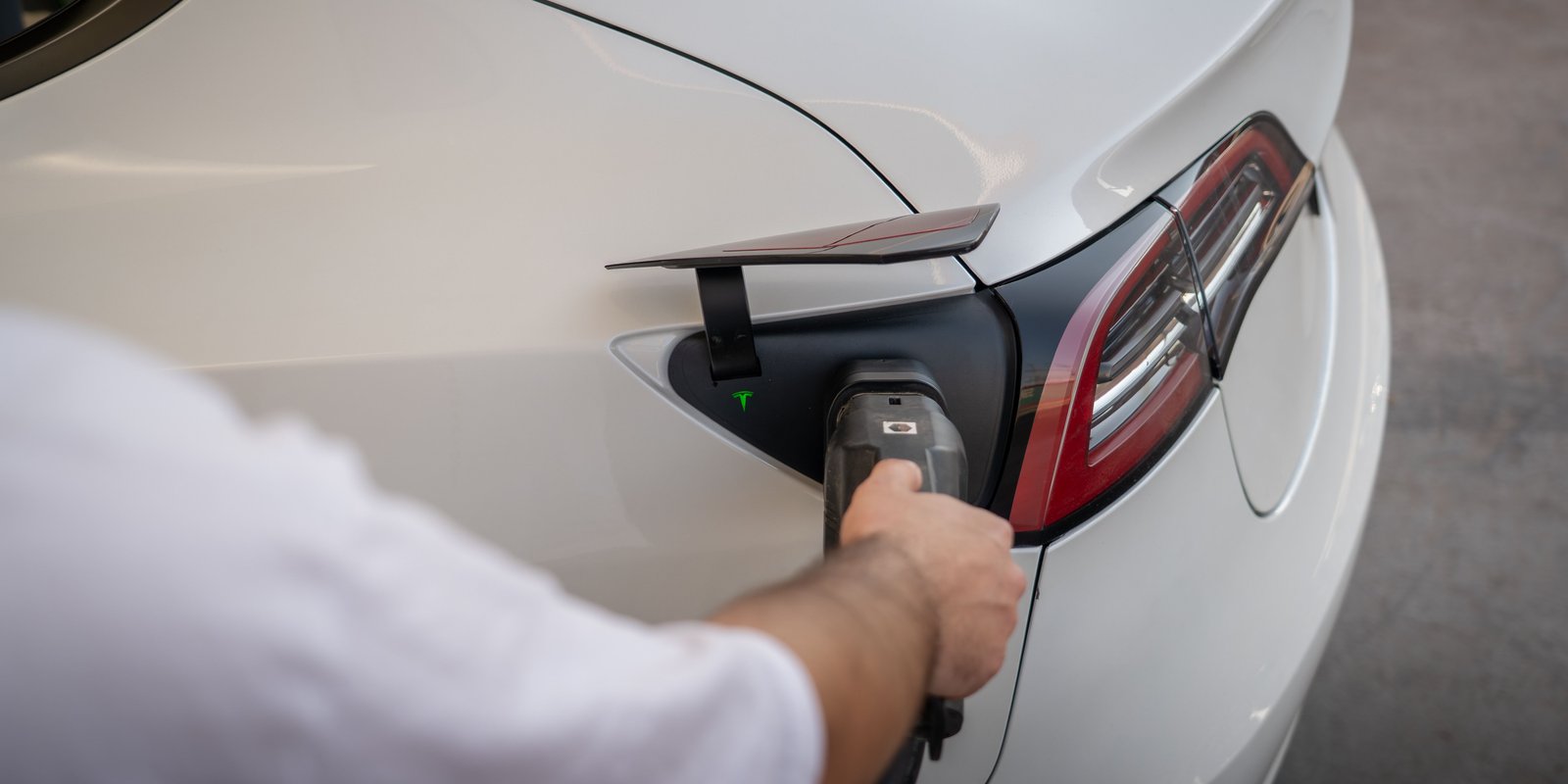
Charging at home gives you more control over when your vehicle is ready. After parking in the garage or driveway, you can connect your EV and let it charge while the household is winding down or asleep. By morning, the vehicle is prepared for the day without an extra stop on the way out.
EV charging station installation in South Auckland can be especially practical when your week follows a regular rhythm. If you often drive to work, take children to school, run errands or travel locally, home charging helps make those kilometres part of your normal routine.
Relying only on public chargers can work for some drivers, but it may bring a few extra moving parts. You may need to allow time for a detour, wait for a charger to become available or change plans when a charging point is occupied.
With a dedicated home charger, you can:
- Charge where your vehicle is already parked
- Make overnight charging part of your routine
- Consider off-peak electricity plans where these are available
- Reduce the need for last-minute charging stops
- Feel more prepared for unexpected trips
We recommend thinking of a home charger as part of how you use your vehicle each day, rather than as an accessory you only need for longer trips. The easier charging feels, the easier it can be to enjoy owning an EV.
Your Property and Driving Habits Shape the Value
The value of a dedicated charger often comes down to the gap between your daily driving needs and your available charging options. A household that uses an EV most days may appreciate the reliability of charging at home far more than one that drives only occasionally.
Battery size also matters. Some vehicles need more time to recharge than others, so it helps to consider when the car is usually parked and how much charge you typically use. If there are two EVs in the household, or if several drivers share one vehicle, a well-planned charging arrangement can become even more useful.
When we assess a property, we look at practical details such as:
- Your usual daily kilometres and travel patterns
- The number of EVs currently at the home, or planned for later
- Access to off-street parking, a garage or a suitable driveway
- The distance between the switchboard and the charging location
- Cable routing, weather exposure and the best place for the charger
A household planning to keep an EV for several years may have more reason to plan carefully from the beginning. The same goes for homes where driving is a regular part of work, family life or getting around South Auckland.
Property layout plays a big role too. A charger needs a sensible position that is easy to use without creating clutter, trip hazards or exposed cables. Garage walls, carports and driveways can all have different requirements, so the best location should be considered before any work begins.
Safe Installation Protects Your Home and Vehicle
An EV draws power for a sustained period, which is why charging arrangements deserve more thought than simply finding the nearest power point. Extension leads and poorly planned connections are not a long-term answer for charging a vehicle at home.
As registered electricians, we recommend a proper assessment before installation. This allows us to check how the charger will fit with the existing electrical system and where it can be safely placed. The goal is a setup that works well for your household without putting unnecessary strain on the home’s electrical supply.
Before a charger is installed, key considerations include the switchboard, available electrical load, circuit protection and the route for the required cabling. Placement also matters. A charger should be convenient to reach from where the vehicle is parked while remaining protected from avoidable damage and weather exposure.
Planning ahead can also keep future options open. You may only have one EV now, but your needs can change. A professionally designed installation can take account of possible upgrades, such as another electric vehicle, solar power or battery storage, where these are part of your longer-term plans.
Safe work is not just about the finished charger on the wall. It is about making sure the whole connection, from the electrical supply through to the charging point, suits the property and the way you use it.
Spring Is a Smart Time to Plan Your Upgrade
Spring is often a natural time to look ahead. With longer daylight hours, school holiday travel and summer driving on the horizon, it can be a good opportunity to consider whether your current charging routine will still suit your household. Planning early also gives you time to think through charger placement and any electrical work your home may need without making a rushed choice.
A worthwhile home charging setup is one that fits your driving habits, property layout and future plans. Before choosing a charger, arrange registered electrical advice so you can make a practical decision based on your home, your vehicle and the way your household really travels.
Get A Charging Setup That Works For You
At Amps Electrical, we can help you understand the options for EV charging station installation in South Auckland and what is involved at your property. Our team can assess practical requirements, from switchboard capacity to charger placement, and provide clear recommendations. Contact us to arrange a consultation and take the next step towards convenient home charging.
FAQs
What determines whether an EV charging station is worthwhile for a South Auckland household?
Whether a charging station is worthwhile depends on how far you drive, the EV you own, your home’s electrical capacity and what you may need in the years ahead.
Why is charging an EV at home more convenient?
Charging at home gives you more control over when your vehicle is ready. After parking in the garage or driveway, you can connect your EV and let it charge while the household is winding down or asleep. By morning, the vehicle is prepared for the day without an extra stop on the way out.
What are the downsides of relying only on public chargers?
Relying only on public chargers can work for some drivers, but it may bring a few extra moving parts. You may need to allow time for a detour, wait for a charger to become available or change plans when a charging point is occupied.
What does the value of a dedicated home charger come down to?
The value of a dedicated charger often comes down to the gap between your daily driving needs and your available charging options. A household that uses an EV most days may appreciate the reliability of charging at home far more than one that drives only occasionally.
Can I charge my EV from the nearest power point or with an extension lead?
An EV draws power for a sustained period, which is why charging arrangements deserve more thought than simply finding the nearest power point. Extension leads and poorly planned connections are not a long-term answer for charging a vehicle at home.
What needs to be considered before an EV charger is installed?
Before a charger is installed, key considerations include the switchboard, available electrical load, circuit protection and the route for the required cabling. Placement also matters. A charger should be convenient to reach from where the vehicle is parked while remaining protected from avoidable damage and weather exposure.
Can an EV charger installation allow for future upgrades?
A professionally designed installation can take account of possible upgrades, such as another electric vehicle, solar power or battery storage, where these are part of your longer-term plans.