
Get Your Heat Pump Ready for Summer Comfort
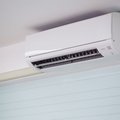
A pre-summer check can help you avoid losing cooling when Patumahoe's warmer days arrive. Heat pumps can seem fine during mild spring weather, then show hidden electrical problems once they run for longer periods and work harder to cool your home.
At Amps Electrical, we often find that small issues become much more obvious under heavier demand. Worn connections, overloaded circuits, damaged outdoor-unit isolators, water exposure and missed maintenance can all affect safe, reliable operation. Finding a problem early is generally far less disruptive than dealing with an unexpected fault during a hot spell.
You can look over the unit for obvious damage and keep the surrounding area tidy, but electrical testing, repairs and alterations must be completed by a registered electrician. Treat an inspection as part of regular home maintenance, much like checking other systems before you rely on them every day.
Spot Electrical Warning Signs Before Hot Days Arrive
Your heat pump should start, run and stop without causing trouble elsewhere in the house. If something changes, it is worth taking notice. Electrical faults do not always mean the system stops completely straight away. Sometimes the signs are brief, occasional or only happen when the unit first starts.
Keep an eye out for warning signs such as:
- A circuit breaker that trips when the heat pump starts
- Lights that flicker while the unit is operating
- Burning smells, buzzing sounds or warm power points
- An outdoor unit that cuts in and out
- Cooling that becomes inconsistent or noticeably weaker
Poor cooling is not always a refrigeration issue. An inconsistent power supply, faulty capacitor, loose terminal or deteriorating cable can affect how well the unit starts and continues running. Because several faults can create similar symptoms, guessing at the cause can lead to more problems.
If you notice a possible electrical fault, turn the system off and do not keep resetting a tripped breaker. Repeated trips are a safety signal, not an inconvenience to work around. Make a note of when the issue happens, such as at start-up, after extended use or when other appliances are running. This gives us useful information when a heat pump electrician in Patumahoe assesses the system.
Protect Outdoor Units From Spring Weather and Pests
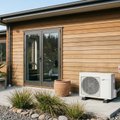
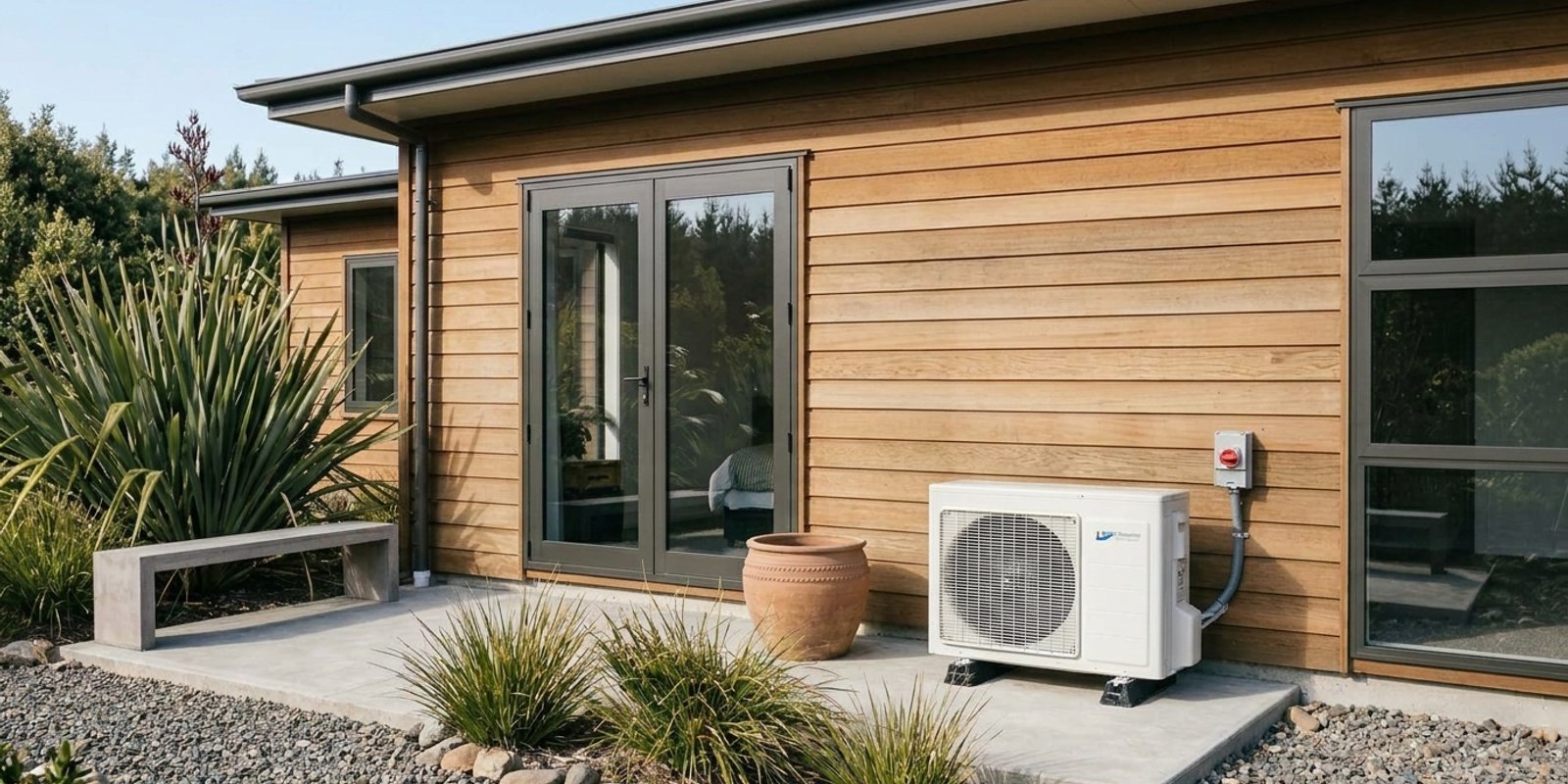
The outdoor unit needs clear airflow, secure covers and dry electrical connections before summer use picks up. Spring rain, wind and changing temperatures can reveal weak seals, loose fittings and ageing materials around the unit.
From a safe distance, you can check that leaves, grass clippings and loose debris are not blocking the area around the equipment. Do not open electrical enclosures or interfere with wiring, isolators or covers. If anything looks damaged, arrange for us to inspect it properly.
Potential issues can include:
- Cracked cable insulation or damaged conduit
- Loose covers or weatherproofing seals
- Visible corrosion around electrical components
- Chewed cables or nests near the outdoor unit
Insects and rodents may be drawn to sheltered areas around equipment, and they can damage wiring or leave debris behind. Avoid spraying chemicals or using tools near electrical parts. Moisture, corrosion and pest damage can create safety concerns, so a professional assessment is the safest response when you find signs of either.
Confirm Your Heat Pump Has a Safe Dedicated Circuit
Heat pumps commonly need a correctly sized dedicated circuit, suitable circuit protection and compliant isolation. When a system shares a circuit with other high-demand appliances, the result can be nuisance tripping, strained wiring or unreliable cooling when demand is high.
Not every Patumahoe home has the same electrical setup. Older switchboards, recent renovations, added appliances and past electrical work can all change what a home's wiring needs to handle. A heat pump that was replaced or upgraded may also have different electrical requirements from the previous unit.
We recommend an electrical assessment if you have noticed frequent breaker trips, recently installed a new heat pump, added major appliances, or have concerns about an older switchboard. During an inspection, we can check circuit capacity, test protective devices, inspect connections and identify whether repairs or upgrades are needed.
Trying to solve tripping by fitting a larger breaker or bypassing a safety device is never a safe answer. Those devices are there to protect wiring and equipment. The real cause needs to be found, whether it sits with the circuit, the heat pump, the switchboard or another appliance in the home.
Avoid Overloading Your Home During Peak Cooling
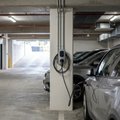
Summer power use can climb quickly when cooling runs alongside ovens, dryers, washing machines, EV chargers and other high-load appliances. Homes with limited circuit capacity or ageing electrical infrastructure may be more likely to show problems during these busy periods.
A few sensible habits can reduce unnecessary strain:
- Avoid running several high-load appliances at the same time where possible
- Set your heat pump to a steady, comfortable temperature
- Keep filters clean so the system does not need to work harder
- Pay attention to changes in lighting, power points or circuit breakers
Steady operation is usually easier on your system than frequent temperature changes and constant stopping and starting. Still, if breakers continue to trip, do not assume household timing is the only issue. We can investigate whether the fault involves the heat pump, its circuit or the wider electrical system.
Plan Ahead for Reliable Summer Cooling
A timely electrical check can help reduce the risk of unexpected cooling loss, safety hazards and urgent repairs once summer arrives. Watch for warning signs, keep the outdoor unit clear and take tripped breakers seriously.
The safest approach is to switch the system off if you suspect an electrical problem and have it assessed by a registered electrician. Addressing concerns before heavy use gives you a better chance of a cooler, more comfortable home when the hot days set in.
Keep Your Heat Pump Ready for Summer
Amps Electrical can help you arrange a heat pump electrician in Patumahoe for professional installation checks and electrical advice. Our team can assess the setup and help ensure it is ready for reliable seasonal use. To discuss your heat pump, contact us today.
FAQs
Why do heat pump electrical problems often appear in summer?
Heat pumps can seem fine during mild spring weather, then show hidden electrical problems once they run for longer periods and work harder to cool your home.
Is poor heat pump cooling always a refrigeration problem?
Poor cooling is not always a refrigeration issue. An inconsistent power supply, faulty capacitor, loose terminal or deteriorating cable can affect how well the unit starts and continues running.
What should I do if I suspect my heat pump has an electrical fault?
If you notice a possible electrical fault, turn the system off and do not keep resetting a tripped breaker. Repeated trips are a safety signal, not an inconvenience to work around.
What can I safely check around my outdoor heat pump unit?
From a safe distance, you can check that leaves, grass clippings and loose debris are not blocking the area around the equipment. Do not open electrical enclosures or interfere with wiring, isolators or covers.
Does a heat pump need its own dedicated circuit?
Heat pumps commonly need a correctly sized dedicated circuit, suitable circuit protection and compliant isolation. When a system shares a circuit with other high-demand appliances, the result can be nuisance tripping, strained wiring or unreliable cooling when demand is high.
Can I fit a larger breaker to stop my heat pump tripping?
Trying to solve tripping by fitting a larger breaker or bypassing a safety device is never a safe answer. Those devices are there to protect wiring and equipment.
Is it better to run a heat pump at a steady temperature?
Steady operation is usually easier on your system than frequent temperature changes and constant stopping and starting.