
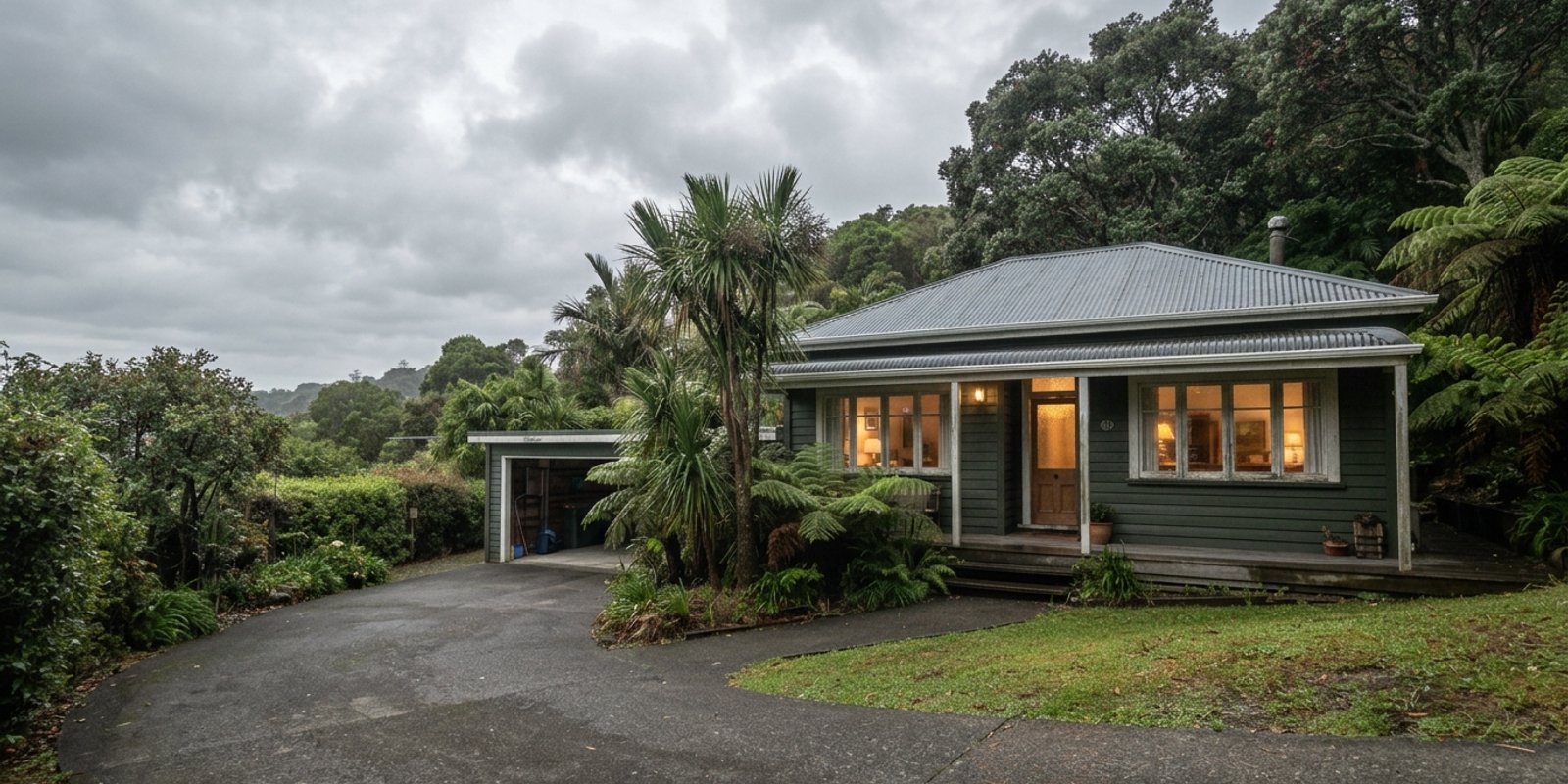

Summer weather in West Auckland can change quickly, with strong winds, heavy rain and lightning placing extra strain on power lines, outdoor fittings and household electrical systems.
Keep Your Home Safer When Storms Hit
Summer storms can arrive quickly in West Auckland, bringing sharp rain, strong wind and lightning that can interrupt power without much warning. We see how stressful an unexpected outage can be, especially when you are unsure whether the issue is affecting the whole street or only your home.
Power loss can come from several places. A wider electricity network fault may affect nearby homes, while storm damage or water inside your property can trip a safety switch and shut off power. Knowing the difference helps you respond safely and recognise when an electrician in West Auckland should inspect the problem.
A neighbourhood outage often means nearby properties are also without power. If your lights are out but neighbouring homes still have electricity, the fault may be within your own switchboard, wiring or electrical equipment.
How Summer Storms Damage Power Supplies
High winds are a common cause of storm-related outages. Branches can strike overhead lines, damage connections or affect local electrical equipment. When this happens, power may be lost across a street or a larger area until the network issue is made safe and repaired.
Heavy rain creates a different set of concerns. Outdoor electrical equipment is built to handle normal weather, but damaged covers, worn seals and cracked conduits can let water reach parts that should stay dry. We recommend paying attention to areas such as:
- Meter boxes and switchboard covers
- Exterior lights and outdoor power points
- Wiring near eaves, garages and sheds
- Electrical fittings affected by roof leaks
- Equipment installed close to low or poorly drained areas
Lightning and storm-related surges can also affect appliances and sensitive electronics, even if the outage is brief. A surge may cause a safety switch to trip, disrupt electronic devices or leave an appliance behaving unusually once power returns.
Why Trees and Water Create Electrical Hazards
West Auckland's leafy properties are part of what makes the area appealing, but mature trees can become a serious electrical risk in high winds. Loose branches may fall onto lines, while overgrown limbs can rub against them during a storm. If a branch is touching a power line, never try to move it, cut it back or pull it away yourself.
Water can be just as dangerous, particularly when it enters an already damaged fitting. Moisture in an outdoor power point, roof space, wall cavity or switchboard can create a fault that causes the safety switch to trip. If the same switch continues to trip after a storm, we recommend treating it as a warning sign rather than repeatedly trying to reset it.
Some situations need immediate caution:
- Fallen power lines or cables on the ground
- Sparks, smoke or buzzing from electrical equipment
- Flooded areas near electrical fittings or a switchboard
- Exposed wiring, damaged outlets or cracked electrical covers
- A burning smell coming from an appliance or wall
Keep people and pets away from these hazards. For fallen lines or faults affecting the wider network, the electricity network operator may need to make the area safe. Damage inside your property should be assessed by a qualified electrician.
Know When to Call an Electrician in West Auckland
A quick look at what is happening around you can help identify the likely source of an outage. If the whole area is dark, the issue may be outside your property. If only your home has lost power, or only part of the house is affected, there may be a problem with your own electrical system.
Safety switches are designed to cut power when they detect a possible fault. You may safely unplug appliances before attempting one reset, but stop if the switch will not stay on or trips again. Repeated tripping can point to water damage, a faulty appliance, damaged wiring or another issue that needs professional testing.
We suggest arranging help from a registered electrician in West Auckland when a storm has affected household wiring, power points, switchboards, security systems, heat pumps, EV chargers or outdoor fittings. Electrical repairs are not a DIY task, particularly when water, damaged cables or storm debris are involved.
Prepare Your Home Before the Next Storm
A few checks before stormy weather can help you spot problems early. Look for loose switchboard covers, cracked outdoor fittings, visible corrosion or signs that water has entered an electrical area before. If you notice damage, it is safer to have it inspected before the next heavy downpour.
It also helps to be ready for a temporary outage. Keep torches charged and easy to find, know where your main switchboard is located, and consider suitable surge protection for sensitive electronics. Candles may seem convenient, but they can create a fire risk near curtains, furniture or children.
Properties with ageing wiring, previous water damage or recurring safety-switch trips may benefit from a professional electrical inspection. Early repairs can reduce disruption and help identify hazards before severe weather puts your electrical system under extra strain.
Act Early When Storm Damage Appears
Storm damage is easier to manage when warning signs are dealt with promptly. Water near electrical equipment, exposed wiring, sparking fittings and repeated loss of power should never be ignored while waiting for conditions to improve.
If a storm leaves your home with an electrical concern, keep the affected area clear and avoid touching damaged equipment. A prompt professional assessment can help determine whether the issue is a network outage, a tripped safety device or damage within your property that needs repair.
Restore Confidence After Storm Damage
Amps Electrical can help identify electrical faults and make your home safe again after severe weather. Book an electrician in West Auckland when you need timely fault-finding and repairs. For non-urgent enquiries or to arrange a suitable time, contact us and our team will assist.
FAQs
Why do summer storms cause power outages in West Auckland?
Strong winds, heavy rain and lightning put extra strain on power lines, outdoor fittings and home electrical systems. Wind can push branches onto overhead lines, while water or a surge can trip a safety switch inside the home.
How can I tell if an outage is on the network or just my home?
Check whether neighbouring homes still have power. If the whole area is dark, the fault is likely outside your property, but if only your home or part of it is affected, the problem may be in your switchboard, wiring or equipment.
Which outdoor electrical areas are most at risk in heavy rain?
Meter boxes, switchboard covers, exterior lights, outdoor power points and wiring near eaves, garages and sheds are all exposed. Damaged covers, worn seals and cracked conduits can let water reach parts that should stay dry.
What should I do if a tree branch is touching a power line?
Leave it alone. Never move, cut or pull the branch yourself, keep people and pets well away, and let the electricity network operator make the area safe.
Is it safe to keep resetting a safety switch after a storm?
No. You can unplug appliances and try one reset, but stop if the switch won't stay on or trips again. Repeated tripping can mean water damage, a faulty appliance or damaged wiring that needs professional testing.
When should I call an electrician in West Auckland after a storm?
Call a registered electrician when storm damage affects household wiring, power points, switchboards, security systems, heat pumps, EV chargers or outdoor fittings. Electrical repairs aren't a DIY job, especially when water, damaged cables or debris are involved.
How can I prepare my home before the next summer storm?
Look for loose switchboard covers, cracked outdoor fittings, corrosion or signs of past water entry, and have any damage inspected. Keep charged torches handy, know where your main switchboard is and consider surge protection for sensitive electronics.