

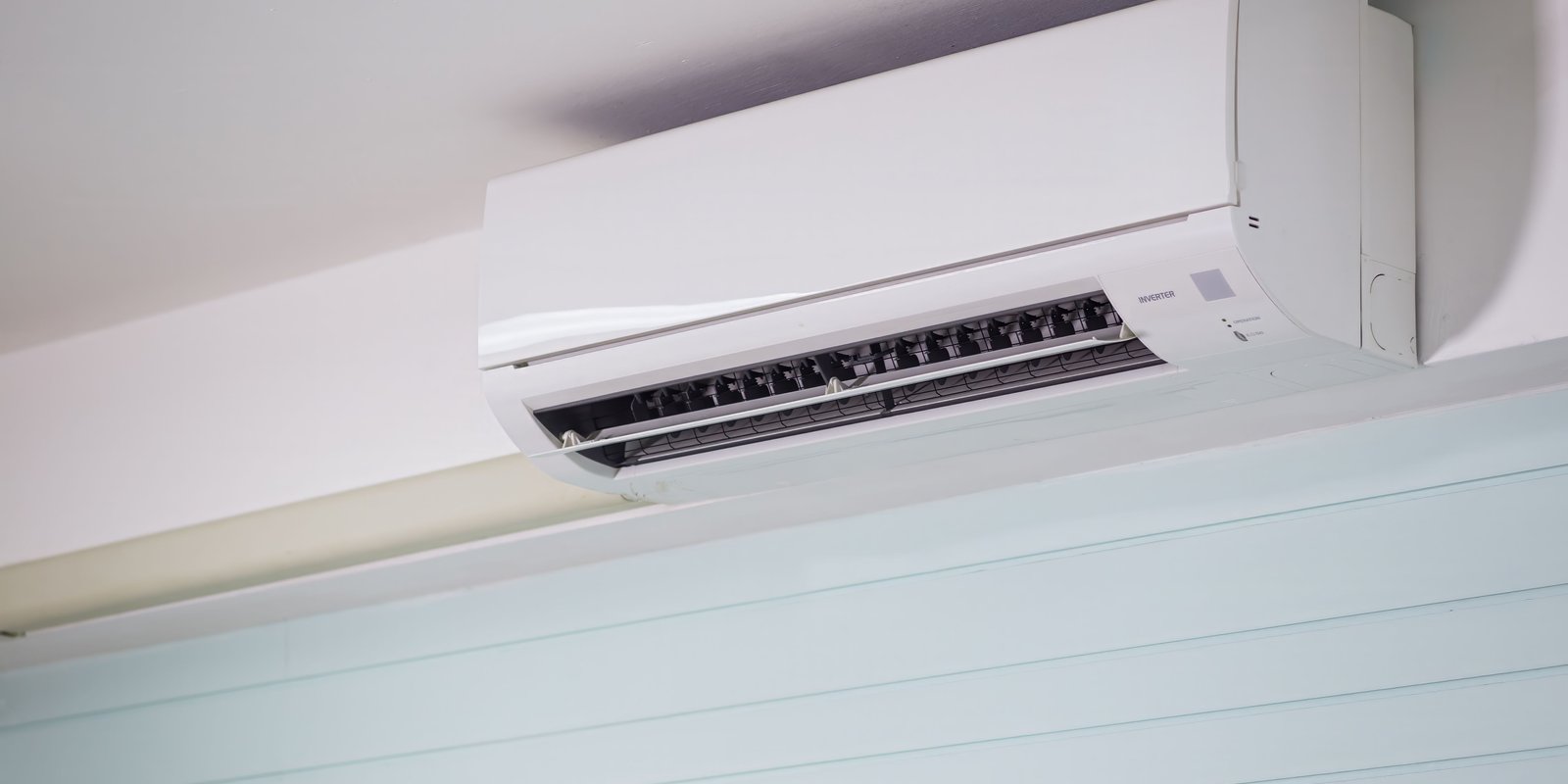

Get Summer Comfort Right Before Pukekohe Warms Up
Spring is a practical time to plan heat pump installation in Pukekohe, before the hottest days arrive and installation bookings become harder to secure. A well-sized system can make the rooms you use most feel cooler, calmer and more comfortable through summer.
Rather than choosing the biggest unit available, we look at how your home handles heat, sunlight and airflow. Our team can assess the space, recommend suitable equipment and complete the electrical work needed for a professional installation.
Why Spring Is Ideal for Heat Pump Installation in Pukekohe
When a heatwave hits, it is easy to make a rushed decision. Installing in spring gives you breathing room to consider where cooling is needed most, which system suits the layout, and whether one room or several areas need attention.
It also gives us time to identify any electrical work that may be needed before the heat pump is installed. Once the unit is running, you can test its cooling settings and learn how it works before it is needed day after day.
A professional installation should cover more than mounting a unit on a wall. We recommend starting with an on-site assessment so we can consider the room, the electrical supply and the best location for both parts of the system.
During a heat pump assessment, we look at details such as:
- The rooms you want to cool or heat
- Available wall space and outdoor unit placement
- Electrical connections and access requirements
- Drainage for moisture produced by the indoor unit
- How air can move through the home
Getting these decisions sorted in spring can make summer comfort much simpler.
Size Your System for Pukekohe's Summer Heat
Heat pump capacity needs to suit the area being cooled. A small bedroom does not need the same approach as a large living room with wide windows and an open connection to the kitchen. Matching the unit to the space helps it run steadily and deliver more consistent comfort.
When we size a system, we do not rely on floor area alone. The height of the ceiling, amount of glazing and direction of the windows can all affect how quickly a room warms up. A west-facing room, for example, may receive strong afternoon sun and hold onto heat well into the evening.
Other factors that affect sizing include:
- Insulation levels in walls and ceilings
- Open-plan rooms and adjoining spaces
- Doors, hallways and airflow between rooms
- The number of people using the space regularly
- Appliances and equipment that create heat
An undersized heat pump may run for long periods and still struggle to cool the room. On the other hand, an oversized unit can switch on and off too quickly, which may lead to uneven temperatures and unnecessary energy use. The best result usually comes from a system that is properly matched to the way you live in the home.
Match Heat Pump Capacity to Your Home
Different rooms call for different solutions. Bedrooms often need quiet, focused cooling at night, while a main living area may need to handle family activity, sunlight and warm air from nearby cooking spaces. A home office can also become uncomfortable when computers and other equipment are running for hours.
Online sizing tools can be useful for a broad starting point, but they cannot see your layout. They do not account for where sunlight enters the house, how well rooms connect, or whether air can travel freely into nearby spaces. That is why we recommend an in-person assessment before selecting a system.
For a single main room, a high-wall heat pump may be a suitable choice. If several rooms need cooling, a multi-room setup may be worth considering. Placement matters just as much as capacity, because a correctly sized unit cannot perform well if furniture, walls or doorways block the airflow.
Our role is to help you weigh up the practical details so the system suits the rooms you actually use, rather than only looking good on paper.
Plan a Smooth Heat Pump Installation in Pukekohe
A professional heat pump installation in Pukekohe starts with planning. We assess the property, discuss the areas you want to cool, recommend suitable equipment and map out where the indoor and outdoor units can be placed. Electrical work is then completed as part of the installation process.
The indoor unit should be positioned where it can send air across the room without obvious obstructions. It also needs to be accessible for filter cleaning and future servicing. Outdoor units need secure mounting, suitable clearance around them and enough room for technicians to access them when maintenance is required.
Before installation, it is worth thinking about:
- Whether your electrical capacity suits the planned system
- Where drainage can run safely from the indoor unit
- How outdoor noise and airflow may affect nearby areas
- Access for installation, cleaning and servicing
- Keeping filters clean to support steady performance
Regular maintenance helps the system continue to work as intended. Cleaning filters and arranging servicing when needed can help protect airflow, cooling performance and the condition of the equipment over time.
Prepare for Your Spring Heat Pump Assessment
Arranging an assessment before summer gives you time to choose a heat pump that suits your home instead of settling for a rushed option. The right system can provide efficient cooling during warmer months, then useful heating when cooler weather returns.
Before the visit, think about which rooms feel hottest, when they receive the most sun and how you use them each day. Clear information about your home helps create a plan for more even, dependable comfort across the seasons.
Enjoy Reliable Summer Comfort
For tailored heat pump installation in Pukekohe, our team can recommend a system that suits your home and cooling needs. Amps Electrical provides practical advice and professional installation with lasting performance in mind. Contact us to arrange your installation.
FAQs
Why is spring a good time to plan heat pump installation in Pukekohe?
Spring is a practical time to plan heat pump installation in Pukekohe, before the hottest days arrive and installation bookings become harder to secure. Installing in spring gives you breathing room to consider where cooling is needed most, which system suits the layout, and whether one room or several areas need attention.
What do you look at during a heat pump assessment?
During a heat pump assessment, we look at details such as the rooms you want to cool or heat, available wall space and outdoor unit placement, electrical connections and access requirements, drainage for moisture produced by the indoor unit, and how air can move through the home.
Is floor area enough to size a heat pump?
When we size a system, we do not rely on floor area alone. The height of the ceiling, amount of glazing and direction of the windows can all affect how quickly a room warms up.
What happens if a heat pump is undersized or oversized?
An undersized heat pump may run for long periods and still struggle to cool the room. On the other hand, an oversized unit can switch on and off too quickly, which may lead to uneven temperatures and unnecessary energy use.
Can online sizing tools tell me which heat pump I need?
Online sizing tools can be useful for a broad starting point, but they cannot see your layout. They do not account for where sunlight enters the house, how well rooms connect, or whether air can travel freely into nearby spaces. That is why we recommend an in-person assessment before selecting a system.
Should I choose a high-wall heat pump or a multi-room setup?
For a single main room, a high-wall heat pump may be a suitable choice. If several rooms need cooling, a multi-room setup may be worth considering.
Where should the indoor and outdoor units be placed?
The indoor unit should be positioned where it can send air across the room without obvious obstructions. It also needs to be accessible for filter cleaning and future servicing. Outdoor units need secure mounting, suitable clearance around them and enough room for technicians to access them when maintenance is required.